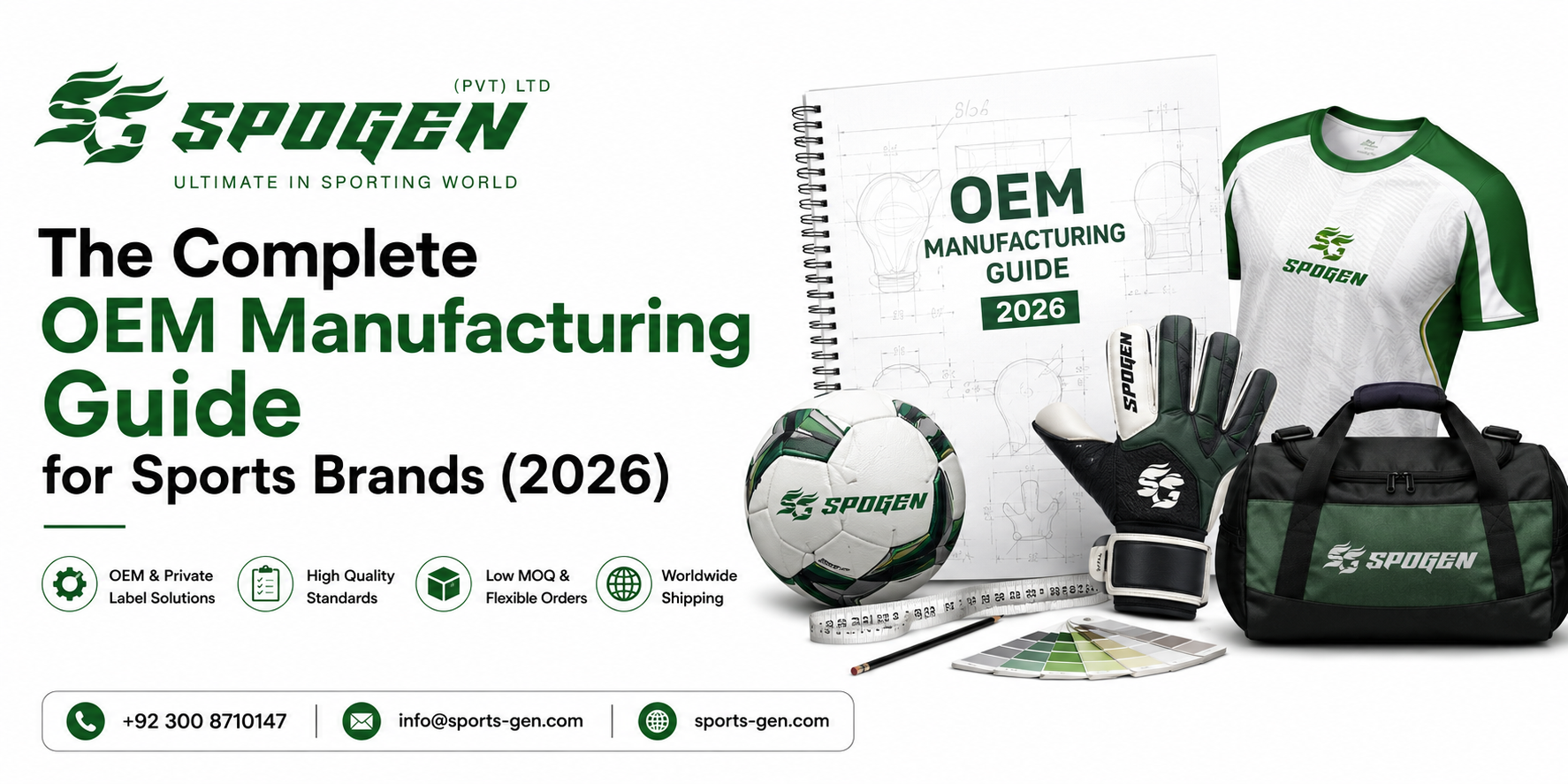
The Complete OEM Manufacturing Guide for Sports Brands (2026)
OEM manufacturing allows sports brands to launch high-quality products without investing in their own factory. In this OEM Manufacturing Guide, you’ll learn how the process works step by step, from sharing your product requirements to receiving your final shipment. Whether you’re sourcing goalkeeper gloves, soccer balls, sports bags, or custom sportswear, understanding the OEM process helps you make smarter buying decisions in 2026.
At SpoGen, we work with importers, wholesalers, distributors, and private label sports brands worldwide. Based on our real manufacturing experience, this OEM Manufacturing Guide explains every stage of production in simple, easy-to-understand language, giving you the confidence to source quality sports goods from a trusted manufacturing partner.
Table of Contents
What Is OEM Manufacturing?
OEM stands for Original Equipment Manufacturer. In OEM manufacturing, a factory produces goods based on your design, materials, and branding. You own the product idea. The factory builds it for you.
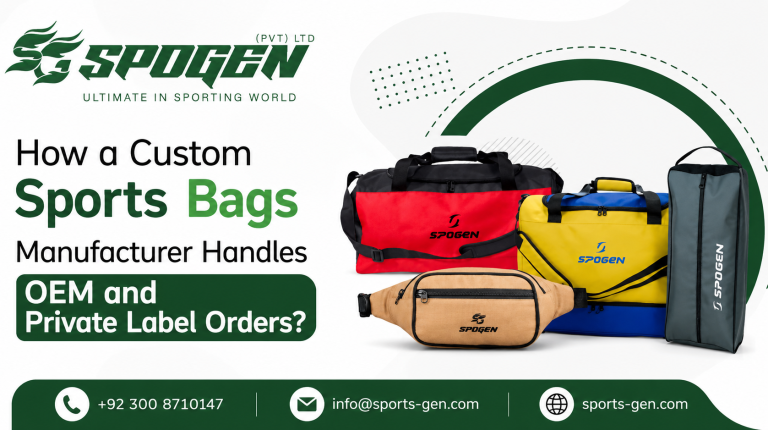
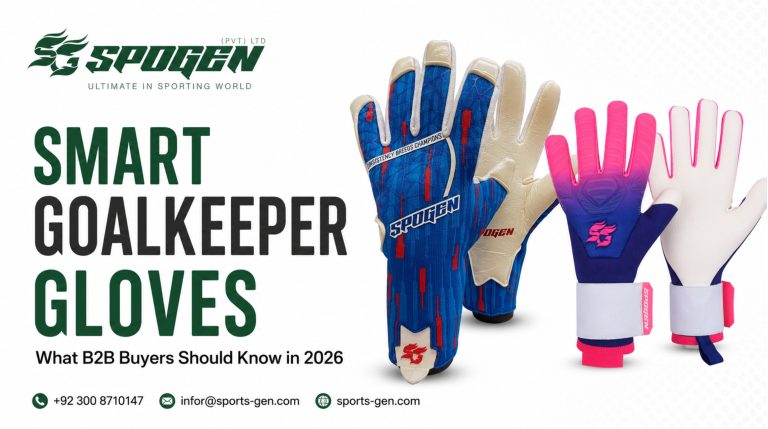
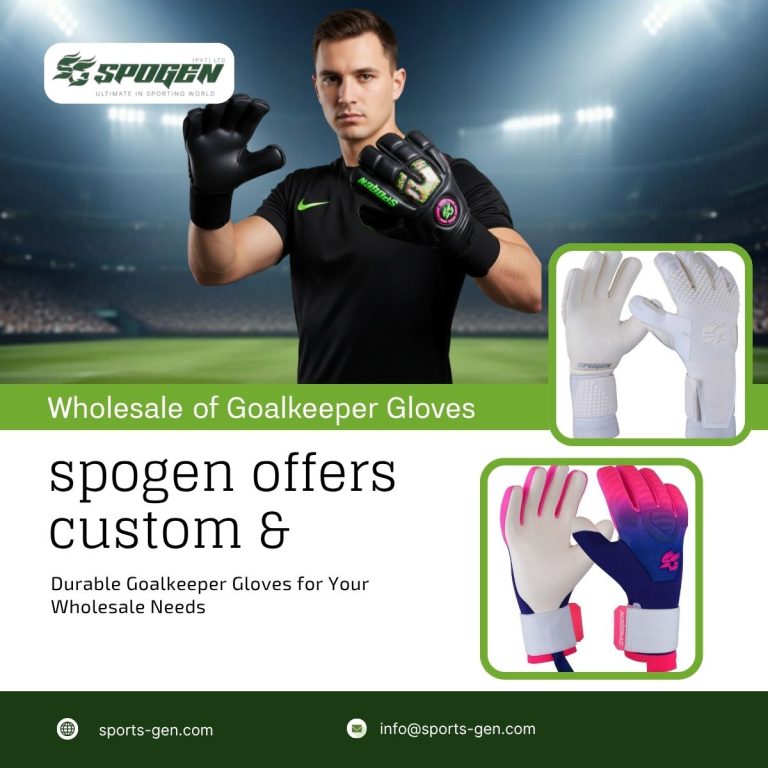
This model is common in the sports goods industry. Brands use OEM manufacturing to make goalkeeper gloves, soccer balls, sports bags, and sportswear without running their own production facility.
OEM manufacturing works well for:
- New sports brands entering the market
- Retailers who want their own branded products
- Sports academies and clubs ordering custom gear
- Distributors expanding into private label lines
How OEM Manufacturing Works (Step-by-Step)
Every OEM manufacturing project follows a similar path. Here is what to expect.
Step 1: Share Your Requirements
You send your product idea, sketches, or reference samples. This includes materials, sizes, colors, and branding details.
Step 2: Sampling and Approval
The manufacturer creates a sample based on your specifications. You review it and request changes if needed. This step repeats until the sample matches your vision.
Step 3: Costing and Order Confirmation
Once the sample is approved, the manufacturer provides final pricing based on your order quantity. You confirm the order and production schedule.
Step 4: Bulk Production
The factory begins full production. Materials are cut, assembled, and finished according to the approved sample.
Step 5: Quality Control
Trained staff inspect products at different production stages. This catches defects early and keeps quality consistent across the full order.
Step 6: Packing and Shipping
Finished goods are packed, labeled, and prepared for export. The manufacturer coordinates shipping documents and logistics with your team.
OEM vs. Private Label vs. ODM: What’s the Difference?
These three terms often get mixed up. Here is a simple breakdown.
- OEM manufacturing: You provide the design and specifications. The factory builds it exactly to your requirements.
- Private label manufacturing: The factory already has a product design. You add your own branding and packaging.
- ODM manufacturing: The factory designs the product for you, based on general direction you provide.
Many sports goods manufacturers, including SpoGen, offer all three options. This lets brands choose the level of customization that fits their budget and timeline.
How to Choose the Right OEM Sports Manufacturer
Picking the right manufacturing partner matters as much as the product design itself. Consider these factors before you commit.
Production Experience
Look for a factory with direct experience in your product category. A manufacturer who specializes in goalkeeper gloves understands grip technology and stitching differently than one who mainly makes apparel.
Certifications
Check for BSCI, ISO 9001, and ISO 14001 certifications. These confirm the factory follows recognized standards for social compliance, quality management, and environmental responsibility.
Communication and Transparency
A good manufacturing partner answers questions clearly and shares production updates. Ask for factory photos or a virtual tour before placing a large order.
Sample Quality
Always request a sample before committing to bulk production. The sample quality is the clearest signal of what your final order will look like.
Minimum Order Quantities (MOQ) in OEM Manufacturing
Minimum order quantity, or MOQ, is the smallest order size a manufacturer will accept. MOQ varies by product type, material, and customization level.
New and small sports brands often look for low MOQ options to test a product before committing to bulk orders. Larger distributors typically order in higher volumes to secure better per-unit pricing. A flexible manufacturer will work with you to find an MOQ that matches your business stage.
Quality Control and Certifications to Look For
Quality control is not a single check at the end of production. It happens at multiple stages:
- Raw material inspection before cutting begins
- In-line checks during assembly
- Pre-shipment inspection of finished goods
Ask your manufacturer how they document quality control. Reports and photos give you visibility into the process, even from overseas.
Shipping and Export: What Happens After Production
Once production and quality checks are complete, goods move into the export stage. This includes:
- Packing goods according to your branding and retail requirements
- Preparing shipping documents, including invoices and packing lists
- Coordinating with freight forwarders for sea or air shipment
- Tracking the shipment until it reaches your destination port
A manufacturer with export experience can guide you through customs requirements for your country, whether you are importing into the USA, UK, Canada or the Gulf region.
Common Mistakes to Avoid When Sourcing OEM Manufacturing
- Skipping the sample stage: Always approve a physical sample before bulk production begins.
- Ignoring certifications: Unverified factories carry higher risk for quality and compliance issues.
- Choosing price over experience: The cheapest quote is not always the best value once quality and delays are factored in.
- Unclear specifications: Vague instructions lead to samples that miss the mark. Provide detailed specs, reference images, and measurements.
- No contract or written agreement: Put quantities, pricing, timelines, and quality standards in writing before production starts.
Why Sports Brands Choose SpoGen for OEM Manufacturing
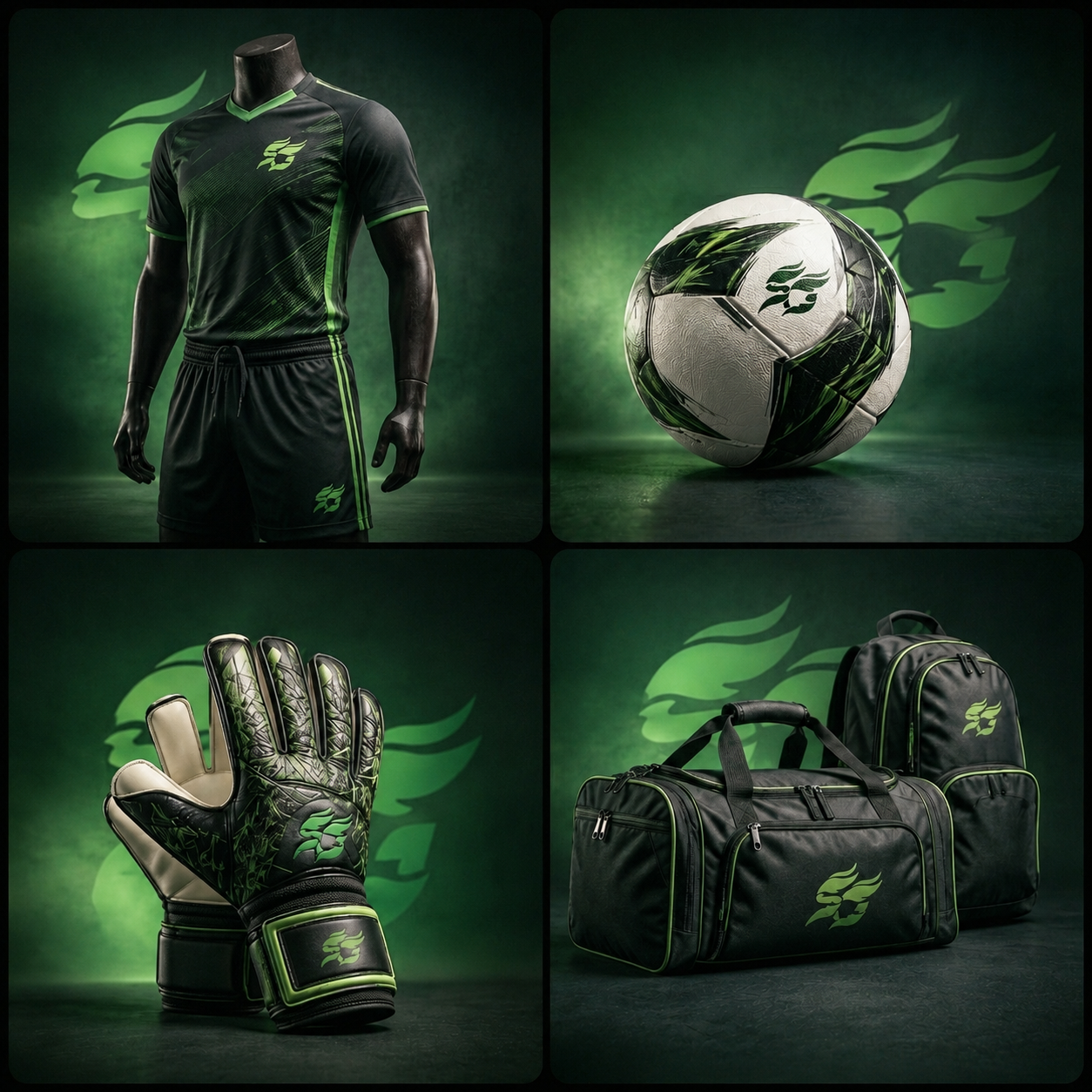
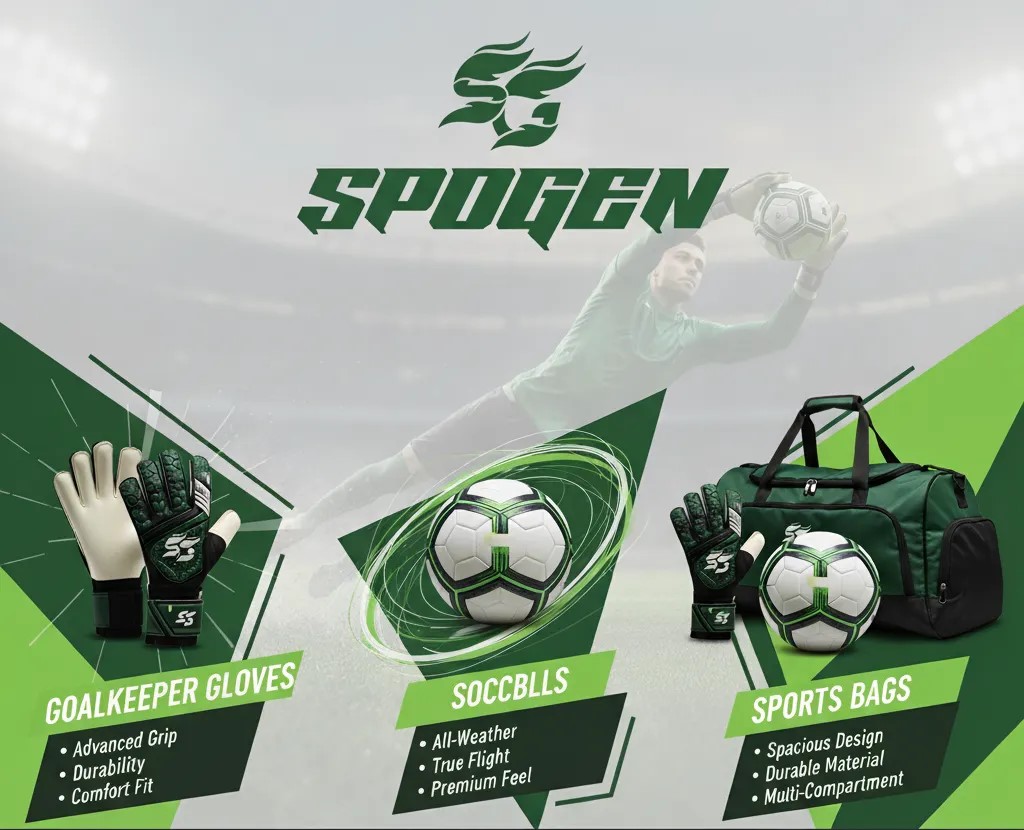
SpoGen is a BSCI, ISO 9001, and ISO 14001 certified sports goods manufacturer based in Sialkot, Pakistan. We produce goalkeeper gloves, soccer balls, sports bags, sportswear and kids’ sportswear for importers, wholesalers, distributors, retailers, sports academies and private label brands across the USA, UK, Canada, Mexico, Brazil, Italy, Spain and the Gulf region.
Our team manages the full OEM process in-house, from sampling to export, so you work with one point of contact from start to finish.
Frequently Asked Questions
What is OEM manufacturing?
OEM manufacturing means a factory produces goods based on a buyer’s design, specifications, or brand requirements. The buyer sells the finished product under their own brand name.
What is the difference between OEM and private label manufacturing?
OEM manufacturing builds products to a buyer’s exact custom specifications. Private label manufacturing uses an existing product design that any buyer can rebrand.
What is a typical minimum order quantity for OEM sports goods?
Minimum order quantities vary by product and manufacturer. Many manufacturers offer low MOQ options for new or small brands, while larger brands often order in bulk for better pricing.
How long does OEM manufacturing take from order to shipment?
Timelines depend on the product, order size, and customization level. The process generally includes sampling, approval, bulk production, quality checks, and shipping preparation.
What certifications should an OEM sports manufacturer have?
Look for BSCI, ISO 9001, and ISO 14001 certifications. These confirm the factory follows recognized international standards for compliance, quality, and environmental management.
Conclusion
This OEM manufacturing guide covered everything you need to source sports goods with confidence in 2026. From choosing the right partner to understanding MOQs, certifications, and shipping, each step plays a role in building a reliable supply chain for your brand.
OEM manufacturing works best when you treat it as a partnership, not just a transaction. Clear specifications, approved samples, and open communication protect your product quality from the first order onward. Whether you are launching a new sports brand or expanding an existing product line, this OEM manufacturing guide gives you a solid starting point for every sourcing decision ahead.
At SpoGen, we are ready to walk you through your own OEM manufacturing journey, from your first sample to your final shipment. Contact our team to discuss your product idea and get a custom quote.