What Is a Sweeper Keeper in Soccer? Complete Guide
In modern football, the expectations placed on goalkeepers are evolving. No longer limited to shot-stopping, today’s goalkeepers are increasingly required to contribute to build-up play and play a crucial role in their team’s overall defensive and attacking strategies. A prominent example of this shift is the rise of the “Sweeper Keeper,” a goalkeeper who goes beyond their traditional role to act as an extra defender, often in advanced positions on the field.
Learn how a sweeper keeper in soccer enhances defense and boosts your team’s performance on the field.
Table of Contents
What Is a Sweeper Keeper?
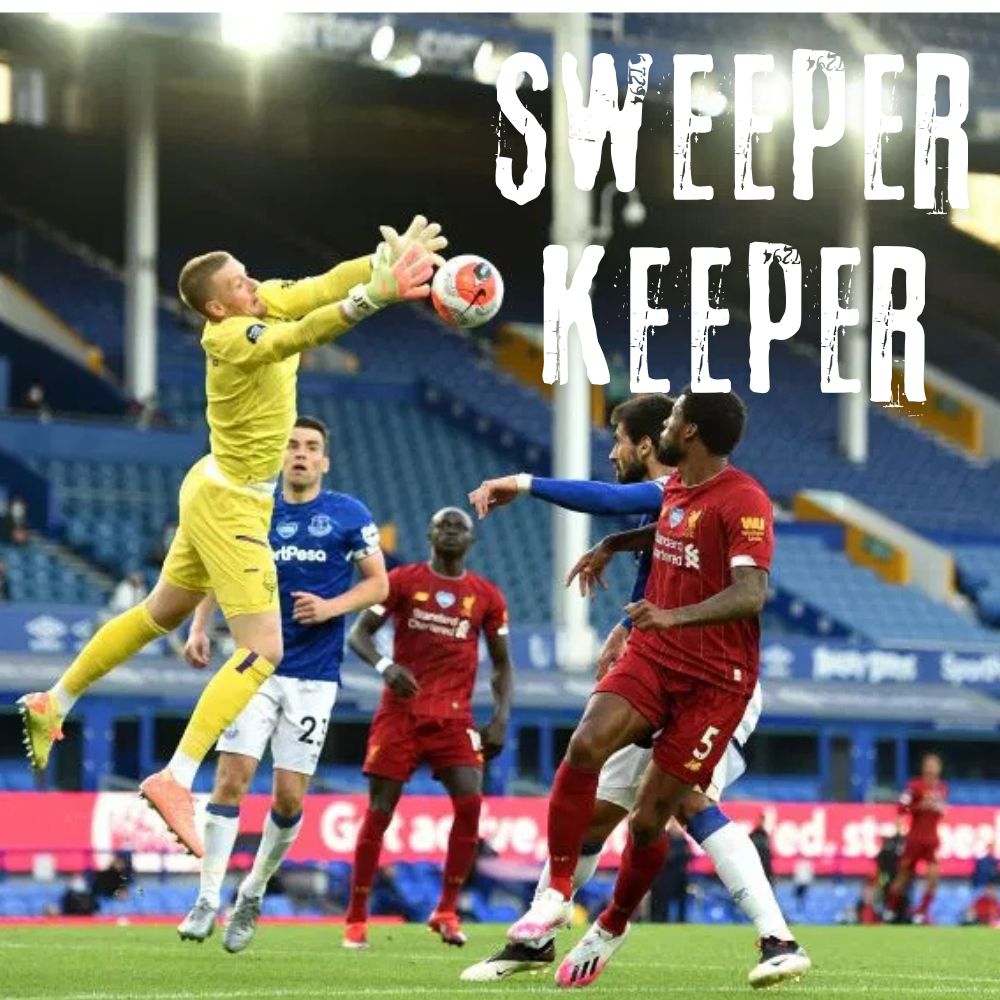
A Sweeper Keeper is a goalkeeper who plays a significantly more active role than the traditional shot-stopper.
Rather than remaining close to the goal, they push up the pitch, functioning as an additional defender and covering the space behind the defense. This allows the team to play a higher defensive line, enabling the goalkeeper to challenge through balls, intercept passes and contribute to the attack from the back.
The role of the Sweeper Keeper has developed alongside the rise of possession-based football. Historically, goalkeepers were expected primarily to stop shots and stay near the penalty area. However, as football tactics evolved, the need for goalkeepers who could distribute the ball became clear. Managers like Johan Cruyff and Pep Guardiola have helped shape this tactical shift, making the goalkeeper a vital part of build-up play and team strategy.
Today, the sweeper keeper in soccer plays a key role by acting as both a goalkeeper and an extra defender during attacks and defensive transitions.
Key Characteristics of a Sweeper Keeper
A successful Sweeper Keeper combines a unique set of skills that distinguish them from a traditional goalkeeper. These skills include:
- Comfort with the ball at their feet: Sweeper Keepers must pass, dribble and control the ball effectively, helping their team maintain possession.
- Accurate passing and distribution: They must deliver precise long and short passes, ensuring quick transitions and tempo control.
- Excellent timing in challenges: Whether challenging through balls or winning one-on-one duels outside the box, their timing is critical.
- Confidence in aerial duels: Sweeper Keepers must excel in heading the ball clear when necessary.
- Sound decision-making under pressure: Deciding when to act quickly or hold back is essential for avoiding costly mistakes.
- Well-timed interceptions and high awareness: Reading the game and anticipating attacks are key to maintaining control.
- Bravery: Given their advanced positioning, Sweeper Keepers must not shy away from physical confrontations and must engage fearlessly in duels.
Pros, Cons and Challenges of the Sweeper Keeper Role
The Sweeper Keeper role offers many tactical advantages for teams.
By positioning themselves higher on the pitch, the goalkeeper provides an extra layer of defense, allowing the team to press higher and play more aggressively. This high-line strategy is key for teams that priorities possession and fluid build-up play, as seen in the football philosophy of managers like Pep Guardiola. A sweeper keeper in soccer not only saves goals but also acts as an extra defender to control the game from the back.
The role also enhances attacking play by making the goalkeeper an additional passing option. They can intercept loose balls and initiate counter attacks, often catching the opposition off guard. This tactic enables teammates to make bolder attacking runs, knowing the goalkeeper can cover defensive gaps.
However, this high positioning comes with risks. A well-timed counterattack or long pass can exploit the goalkeeper’s advanced position, leaving the goal vulnerable and difficult to defend.
The margin for error is small for a Sweeper Keeper. A misjudged decision or delayed reaction can open the door for an easy attack. This high-risk, high-reward strategy demands not only excellent technical ability but also quick thinking and mental resilience. In modern tactics, the sweeper keeper in soccer plays a key role by supporting the defense and helping the team control the game from the back.
Training and Mental Demands of the Sweeper Keeper
Becoming an effective Sweeper Keeper requires specific training.
Goalkeepers must develop ball control, passing accuracy, and tactical awareness to make quick decisions under pressure. Drills should focus on one-on-one situations outside the box, long and short distribution, and improving stamina to cover more ground. Additionally, working on aerial duels is crucial for their overall game development.
These skills help a goalkeeper perform effectively as a sweeper keeper in soccer, supporting the defense and controlling play outside the penalty area.
Mentally, the role demands sustained focus. A Sweeper Keeper must maintain concentration throughout the match, as every decision can have a significant impact on the game. Confidence and assertiveness are essential, as hesitation or indecision can lead to costly errors. A sweeper keeper in soccer stays alert and confident, ready to intercept attacks and support the defense at every moment
The relationship between the Sweeper Keeper and the defence is also vital, as communication and coordination are key to maintaining a well-organised back line.
Examples of Sweeper Keepers
The role of the Sweeper Keeper has been a topic of mixed success. Some players have thrived in this position, while others have struggled to adapt.
Manuel Neuer is often regarded as the archetype of a successful Sweeper Keeper. Widely regarded as one of the world’s best, Neuer regularly steps off his goal line to clear danger and distribute the ball with precision. His ability to read the game, coupled with his quick reflexes and strong passing, has made him a key player in Bayern Munich’s high-pressing system and Germany’s national team.
Neuer’s consistent performances have made him the benchmark for Sweeper Keepers across the world. A sweeper keeper in soccer uses quick passing, strong ball control, and smart positioning to stop attacks outside the box
Ederson, the goalkeeper for Manchester City, is another prime example of a successful Sweeper Keeper. Like Neuer, Ederson is known for his exceptional ball distribution, playing a crucial role in initiating attacks from the back. His passing accuracy and ability to make split-second decisions under pressure have made him a vital part of City’s possession-based football under Pep Guardiola. These skills are essential for any sweeper keeper in soccer, helping goalkeepers control the game, support defenders, and start quick attacking plays from the back.
However, the Sweeper Keeper role is not without its risks, and not all attempts to play the role have been as successful.
Alisson Becker is a prime example of a modern sweeper keeper in soccer, combining quick reflexes with smart ball distribution.
Alisson Becker, Brazil’s goalkeeper, is known for his excellent distribution and sweeping abilities. Despite his talents, Alisson’s decision-making in high-pressure situations has occasionally led to costly mistakes. A notable example occurred during the 2018 FIFA World Cup quarter-final between Brazil and Belgium.
In the early stages of the match, Alisson ventured outside of his penalty area to clear a long ball played into the space behind Brazil’s defense. Unfortunately, he misjudged the situation and failed to clear the ball effectively. Romelu Lukaku intercepted the pass and set up Kevin De Bruyne, who assisted Nacer Chadli for the decisive goal. This moment highlights the risks and skills of a sweeper keeper in soccer, balancing aggressive defense with precise judgment.
This error highlighted the risks involved in the Sweeper Keeper role, as one misstep can lead to a game-changing moment, especially when the goalkeeper is positioned far from the safety of their goal. A sweeper keeper in soccer must have excellent awareness, quick decision-making, and strong ball control to protect the goal while supporting the team’s defense and attack.
Sweeper Keeper in Soccer: The Modern Goalkeeper Role
A sweeper keeper in soccer is more than just a traditional goalkeeper. They actively participate in play, coming off their line to intercept passes, support defenders, and even start attacks. This role requires quick decision-making, excellent ball control, and smart positioning. Teams that rely on possession and high pressing benefit greatly, as the sweeper keeper helps maintain defensive stability while enhancing offensive opportunities. A sweeper keeper in soccer adds both defensive strength and playmaking support for modern teams.
The Role of the Sweeper Keeper in Various Football Systems
The Sweeper Keeper is most effective in systems that focus on high pressing and possession-based football, where the goalkeeper can act as an extra defender and support build-up play. In these systems, the Sweeper Keeper steps up to intercept through balls and launch counter-attacks. The sweeper keeper in soccer is a modern goalkeeping style where the goalkeeper plays like an extra defender, helping the team keep possession and stop attacks before they reach the goal
However, teams that rely on counter-attacking football may not benefit as much from this role, as the goalkeeper’s advanced position could leave them vulnerable to quick breaks.
Ultimately, the success of a Sweeper Keeper depends on both the tactical system employed by the team and the goalkeeper’s ability to fit seamlessly into that system.
About Spogen – Your Partner in Professional Sports Gear
At Spogen, we provide premium sports equipment and professional gear for clubs, academies and retailers worldwide. Just like the Sweeper Keeper is essential to modern football tactics, our high-quality products help players perform at their best, whether in training or competitive matches.
Spogen specializes in:
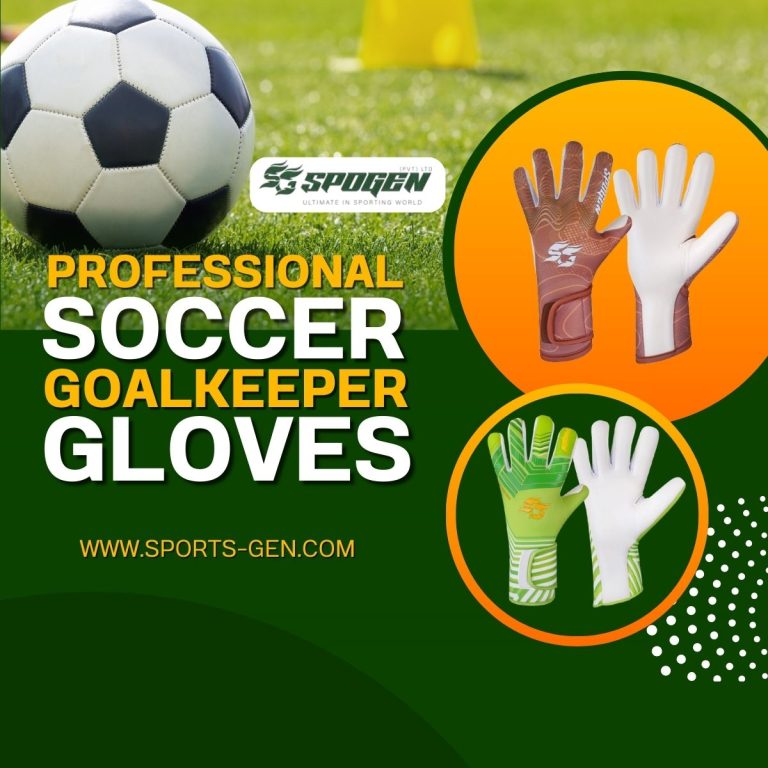
- Professional soccer goalkeeper gloves and goalie gloves – designed for match-ready grip, comfort, and durability for youth, academy and professional players.
- Footballs – including match footballs, Champion League footballs, and premium practice balls to enhance player control and performance.
- Sportswear and training kits – lightweight, durable and comfortable apparel suitable for all-weather conditions and high-intensity practice.
- Custom gear and OEM/ODM solutions – including logo printing, color customization, private label production and bulk orders for clubs and academies.
We support B2B clients globally, offering fast worldwide delivery and fully customizable products to meet your club’s or academy’s unique requirements. From goalkeeper gloves to training equipment, Spogen equips your players with the tools they need to improve their game and stay ahead in modern football.
With Spogen, your team gets premium, durable and performance-focused sports gear, helping every goalkeeper—whether a traditional shot-stopper or a modern sweeper keeper in soccer—reach their full potential on the field.
Conclusion
The Sweeper Keeper role has transformed modern goalkeeping, requiring goalkeepers to contribute to build-up play and defend higher up the pitch. While players like Neuer and Ederson have excelled, the role comes with risks, as advanced positioning can leave the goalkeeper exposed to counter-attacks.
A sweeper keeper in soccer not only saves goals but also helps control play from the back, making them key to modern team strategy.
Success depends on the goalkeeper’s quick decision-making and how well they fit into the team’s tactics. For teams that focus on possession and high pressing, the Sweeper Keeper is a valuable asset, but it requires a careful balance of risk and reward. A skilled sweeper keeper in soccer boosts your team’s defense and supports attacking play with smart positioning