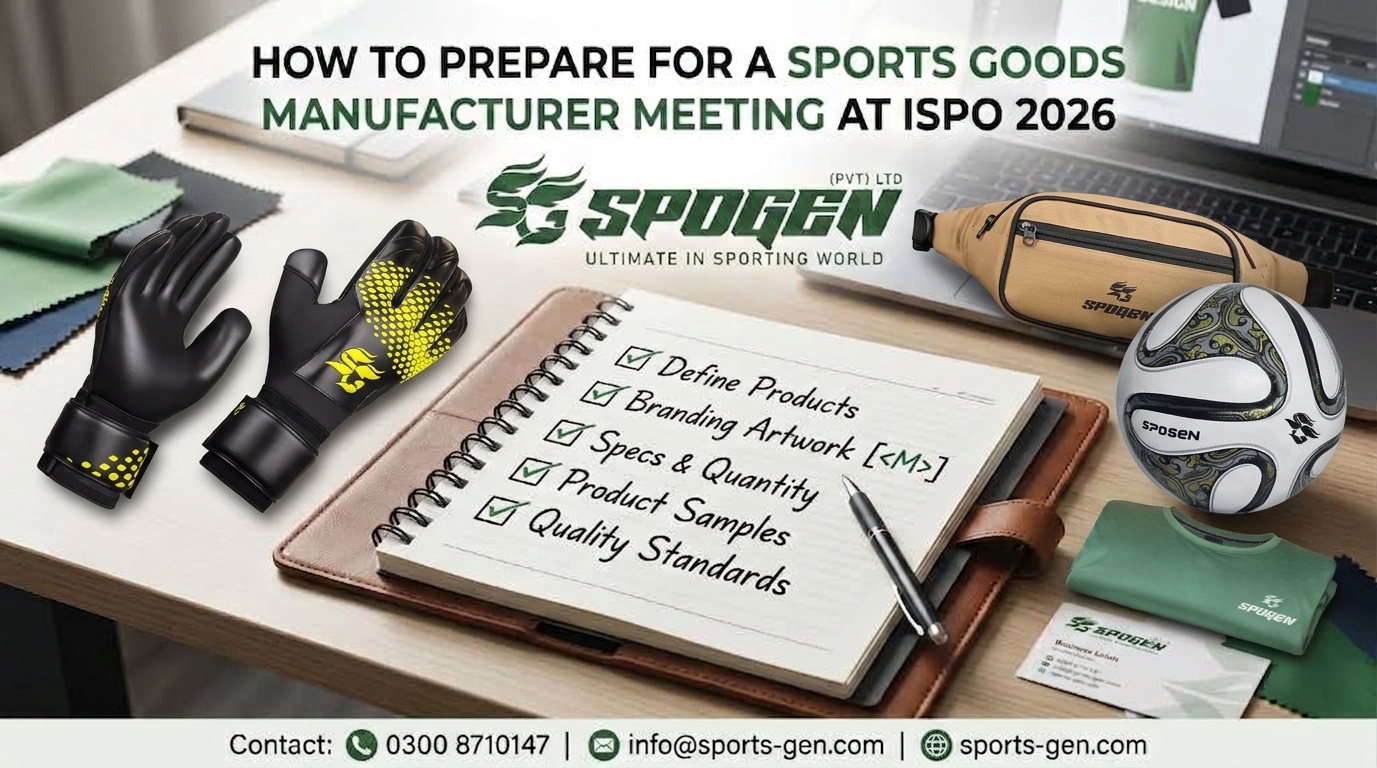
How to Prepare for a Sports Goods Manufacturer Meeting at ISPO 2026
A productive manufacturer meeting starts before you walk onto the show floor. If you plan to meet sports goods manufacturers, OEM/ODM partners or private-label suppliers at ISPO 2026, the buyers who get the most out of these meetings arrive with their product requirements, order quantity, target market, branding needs, quality expectations, packaging requirements and questions already worked out.
ISPO 2026 takes place at RAI Amsterdam, Amsterdam, Netherlands. The main exhibition runs November 4–5, 2026, following the ISPO Leaders’ Summit on November 3, 2026. This guide walks through what to prepare so your supplier meetings are focused and useful.
Table of Contents
Why Prepare Before Meeting a Sports Goods Manufacturer?
Trade show meetings are short. A manufacturer may only have 15 to 30 minutes with each buyer, so walking in with clear information changes what you can accomplish in that time.
Preparation helps with:
- Clearer product discussions, since both sides start from the same specifications
- Faster quotation preparation after the show
- Better comparison between suppliers, because you’re asking each one the same questions
- Fewer misunderstandings about materials, sizes or branding
- Easier sample development, since the manufacturer has fewer open questions to guess at
- A clearer picture of what a manufacturer can and can’t produce
- Defined next steps once the meeting ends
Preparation does not guarantee lower pricing or a finalized order. It simply makes the conversation more useful for both sides.
Define the Product You Want to Manufacture
Before the meeting, know exactly what you’re sourcing. “Sports goods” covers a wide range of products and manufacturers organize their capabilities differently depending on the category.
Common categories buyers discuss at ISPO include:
- Goalkeeper gloves
- Soccer balls
- Sports apparel
- Sports bags
- Teamwear
- Training products
- Other custom sports goods
If you’re sourcing more than one category, decide which one is the priority. A manufacturer can usually go deeper into a focused conversation about one product than a general overview of five.
Prepare Your Product Specifications
Specifications tell a manufacturer what you actually need to produce. The details vary by product, but here’s what typically applies.
Manufacturing
- Product development
- Pattern making
- Material selection
- Cutting
- Stitching
- Printing/branding
- Assembly
- Quality inspection
- Packaging
- Export preparation
Goalkeeper Gloves
- Glove cut (flat, roll, negative, hybrid)
- Palm material requirements
- Pattern making
- Backhand design
- Body material
- Cutting/Stitching
- Printing/branding
- Sizes
- Colors
- Gussets
- Wrist closure
- Branding placement
- Packaging
Soccer Balls
- Size (size 3, 4, 5)
- Construction (stitched, thermally bonded and so on)
- Materials
- Panel design
- Bladder
- Testing
- Weight requirements
- Custom branding
- Packaging
Sports Apparel
- Garment type
- Fabric
- Sizes
- Colors
- Design
- Branding
- Labels
- Packaging
Exact specifications depend on your product and its intended use a training glove and a match-day glove, for example, may call for different materials. Bring whatever specification detail you have, even if it’s incomplete. A manufacturer can help you fill in the gaps during the meeting.
Know Your Target Quantity
Manufacturers price and plan production around quantity, so have a working estimate ready, even if it’s a range rather than a fixed number.
Think through:
- Initial order quantity
- Expected annual demand
- Quantity split across colors
- Quantity split across sizes
- Quantity split across designs
- Whether you expect repeat orders
MOQ (Minimum Order Quantity) is the smallest quantity a manufacturer will accept for a production run. It’s worth asking whether MOQ applies per product, per design, per color, per size or per SKU, since the answer changes how you plan your order. Spogen’s specific MOQ terms, since they vary by product and customization level.
Prepare Your Brand and Customization Requirements
If you’re sourcing private-label or branded products, bring your branding materials to the meeting rather than describing them from memory.
Useful items to have ready:
- Brand name
- Logo, ideally in editable, high-resolution format
- Brand colors, with color codes if you have them
- Product artwork
- Packaging design or references
- Label requirements
- Hangtag requirements
- Barcode information, where applicable
- Any special branding instructions
Editable artwork files save time. A manufacturer can quote and sample faster with a vector logo file than with a photo of your logo on a phone screen.
Bring Samples, Sketches or Reference Products
A physical reference tells a manufacturer more than a description can. If you have any of the following, bring them:
- Existing product samples
- Reference products, where you have the legal right to share them
- Sketches
- Technical drawings
- Product photographs
- Material swatches or references
- Color references, such as a Pantone reference
A sample helps a manufacturer understand fit, construction, finishing and design expectations more precisely than written notes. This is about explaining what you want not about asking a manufacturer to copy another brand’s protected design.
Prepare Your Quality Requirements
Quality means different things to different buyers, so it helps to be specific about what matters to you.
Points worth clarifying:
- Material quality
- Stitching standards
- Finishing details
- Product consistency across a production run
- Size consistency
- Logo placement accuracy
- Packaging quality
- Inspection requirements, including who inspects and when
- Any testing requirements that apply to your product
There’s a difference between buyer quality requirements the standards you personally expect from the finished product and formal certification or testing requirements, which are set by regulators, retailers or industry bodies and often depend on your destination market.
Not every sports product needs the same certifications. Identify which standards or regulatory requirements apply to your product and your target country before the meeting, since a manufacturer’s own certifications, such as quality or environmental management certifications, may be relevant to your sourcing decision.
Prepare Questions About Manufacturing
A short list of direct questions keeps the meeting focused. Consider asking:
- Which sports products do you manufacture?
- Do you provide OEM manufacturing?
- Do you provide ODM services?
- Do you offer private-label production?
- What customization options are available?
- What is the MOQ?
- Can you provide samples?
- How is product quality checked?
- What information do you need for a quotation?
- What is the expected production lead time?
- What packaging options are available?
- Can you support repeat orders?
- How are product specifications recorded and approved?
- What do you need from me before starting production?
- What export and shipping support do you offer?
Bring this list with you and take notes on the answers you’ll want them later when comparing suppliers.
Prepare Your Pricing and Budget Questions
You don’t need a final cost figure before the meeting, but having a target budget or commercial framework in mind makes the pricing conversation more useful.
Topics worth covering:
- Unit price
- Sample cost
- Customization or setup costs, if applicable
- Packaging costs
- Quantity-based pricing tiers
- Shipping costs
- Payment terms
- Other order-related costs
Unit price is not the same as total landed cost. Landed cost includes shipping, duties and any other costs required to get the product to your destination factor these in before comparing quotes. The lowest unit price isn’t automatically the best deal once these are added.
Prepare Your Production Timeline
Have a target date in mind, then work backward from it. A rough timeline includes:
- Sample development
- Sample approval
- Bulk production
- Quality inspection
- Packaging
- Shipping
- Required arrival date
Production and shipping timelines vary by product, quantity, customization and destination. Treat any timeline discussed at the show as an estimate until it’s confirmed in writing for your specific order.
Prepare Your Shipping and Delivery Information
A manufacturer typically needs the following to give you accurate shipping information:
- Destination country
- Destination city or port, where relevant
- Required delivery date
- Order quantity
- Packaging requirements
- Shipping preference, if you already know it
Shipping cost and timing should be considered alongside product pricing, not as an afterthought — a lower unit price can be offset by higher freight costs or a longer transit time. Freight rates change frequently, so ask for current shipping information rather than relying on estimates from a previous order.
Create a One-Page Product Brief
A one-page brief per product makes meetings faster and gives you something consistent to compare across suppliers. A simple template:
- Product:
- Intended use:
- Target market:
- Quantity:
- Materials:
- Size range:
- Colors:
- Branding:
- Packaging:
- Quality requirements:
- Target delivery date:
- Other requirements:
Filling this out before ISPO 2026 means you’re not reconstructing your requirements from memory in the middle of a meeting you can hand it over and get straight into the details.
Prepare a Supplier Comparison Sheet
After several meetings, it’s easy to lose track of which manufacturer said what. A comparison sheet keeps the information factual and easy to review later.
| Factor | Supplier A | Supplier B | Supplier C |
|---|---|---|---|
| Product range | |||
| Customization | |||
| MOQ | |||
| Sample process | |||
| Quality process | |||
| Lead time | |||
| Packaging | |||
| Communication | |||
| Pricing information | |||
| Shipping support | |||
| Follow-up |
Use this sheet to record what each manufacturer tells you, not to rank them. Important claims certifications, capacity, lead times are worth verifying directly with the manufacturer before you place an order.
Meet SpoGen at ISPO 2026
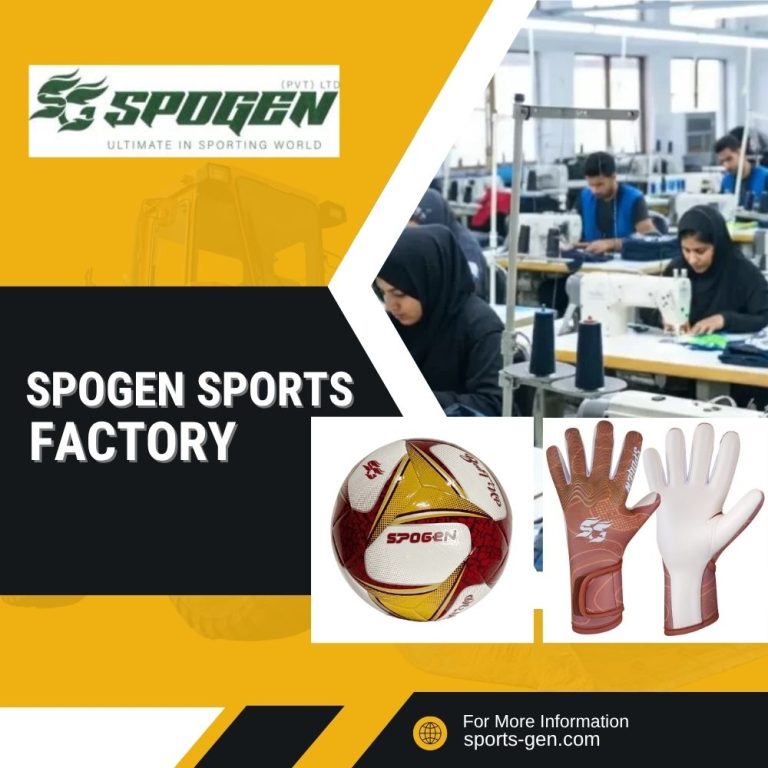
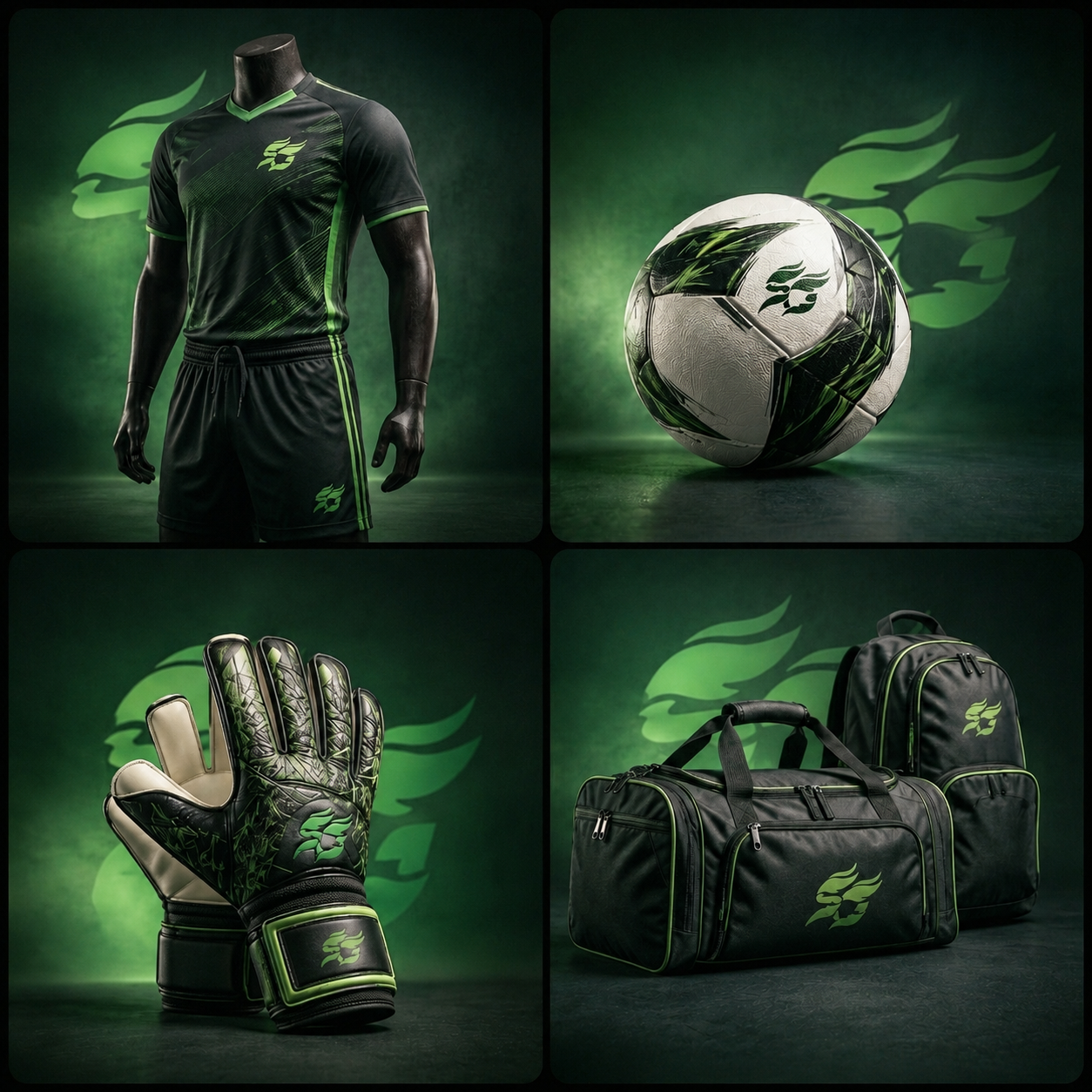
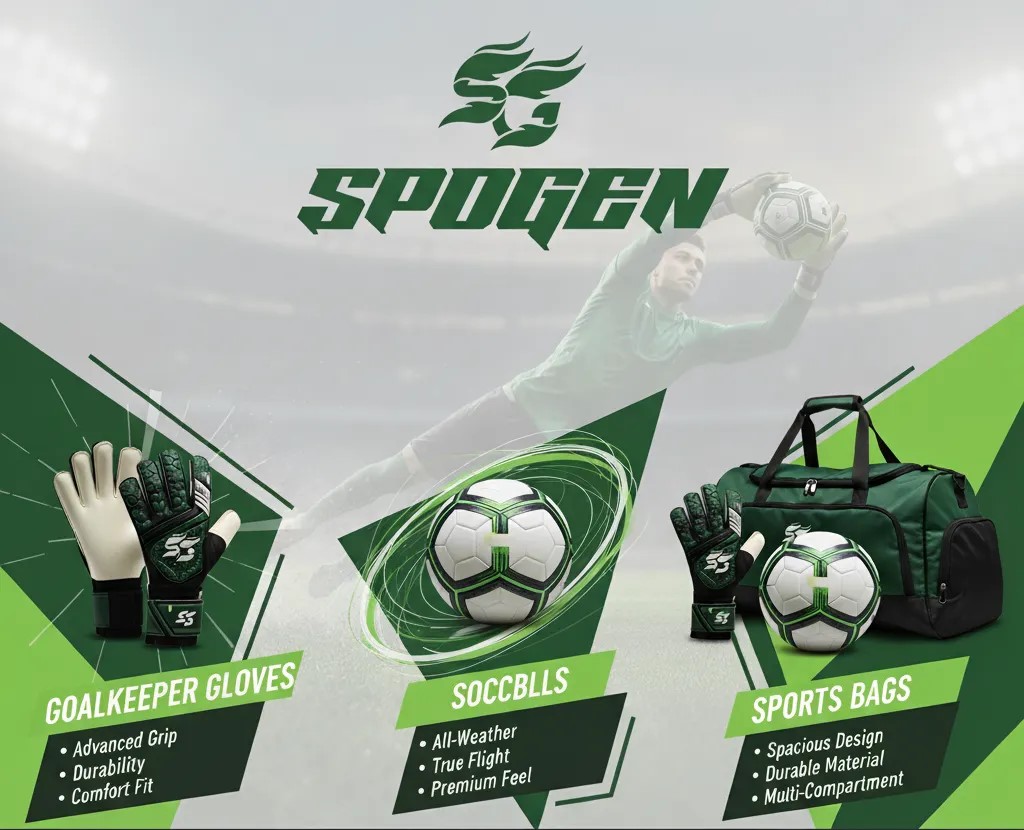
Spogen (PVT) Ltd is a B2B sports goods manufacturer in Sialkot, Pakistan, specializing in custom goalkeeper gloves, soccer balls, sports apparel and sports bags for OEM, ODM and private-label buyers, will be exhibiting at ISPO 2026 at Hall 5, Booth 5B41, RAI Amsterdam. The main exhibition runs November 4–5, 2026. Spogen is BSCI and ISO 9001 – ISO 14001 certified and BSCI certified.
Buyers can use the booth visit to discuss B2B requirements related to:
- Custom goalkeeper gloves
- Soccer balls
- Sports apparel
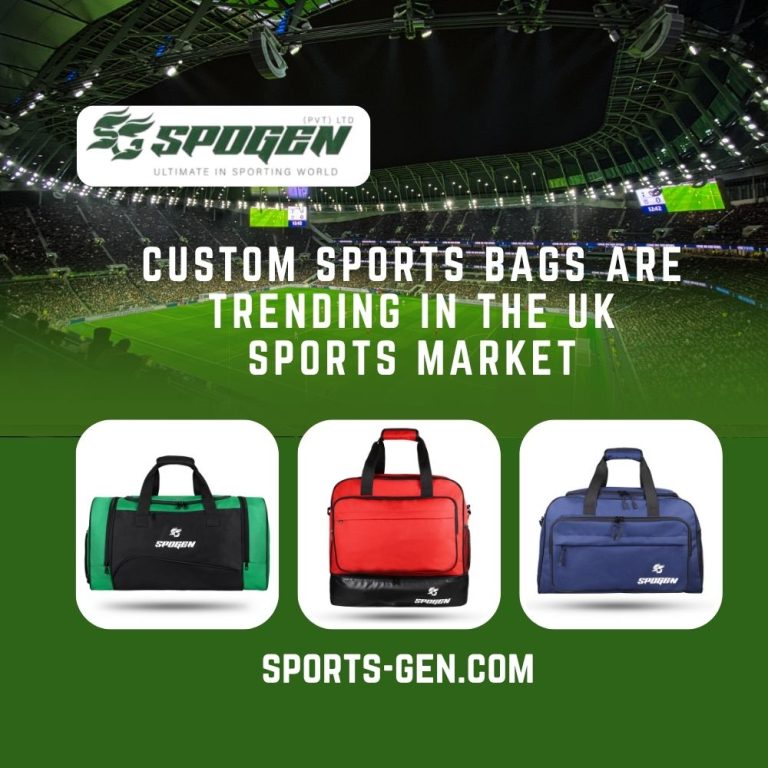
- Sports bags
- OEM manufacturing
- ODM services
- Private-label production
- Custom sports products
- Bulk production
What to Discuss with SpoGen at the Meeting?
The preparation covered above applies directly to a meeting with SpoGen. Having the following ready will make the conversation more specific:
- Product category
- Product specifications
- Quantity
- Custom design requirements
- Brand logo
- Packaging preferences
- Target market
- Quality requirements
- Sample requirements
- Production timeline
- Shipping destination
The more of this you bring, the less time gets spent on back-and-forth clarification, and the more time is available for the details that actually affect your sourcing decision.
What to Do After the ISPO 2026 Meeting
A trade show meeting is a starting point, not a commitment. After meeting any manufacturer, including SpoGen:
- Review your meeting notes while they’re fresh.
- Compare factual supplier information across your comparison sheet.
- Request any specifications you’re still missing.
- Confirm quotation details in writing.
- Request samples where appropriate.
- Review the sample against your original requirements.
- Confirm final specifications in writing before production begins.
- Discuss production and packaging details.
- Confirm commercial terms pricing, payment and delivery.
- Proceed only once requirements and terms are clearly agreed on both sides.
Meeting a manufacturer at ISPO 2026 doesn’t obligate you to place an order it gives you the information you need to decide whether they’re the right fit for your product.
ISPO 2026 Sports Goods Manufacturer Meeting Checklist
Before the meeting
☐ Define product ☐ Prepare specifications ☐ Estimate quantity ☐ Prepare logo/design ☐ Prepare samples ☐ Define packaging needs ☐ Define quality requirements ☐ Prepare questions ☐ Prepare delivery target
During the meeting
☐ Discuss manufacturing capability ☐ Discuss customization ☐ Discuss MOQ ☐ Discuss samples ☐ Discuss quality control ☐ Discuss production timeline ☐ Discuss packaging ☐ Discuss shipping ☐ Record contact details ☐ Record agreed next steps
After the meeting
☐ Compare information ☐ Request quotation ☐ Request sample ☐ Verify specifications ☐ Confirm terms ☐ Document final requirements
FAQs about Preparation Sports Goods Manufacturer Meeting
Define your product, target quantity, branding requirements, quality expectations and key questions before the show. Bring a one-page brief per product so the manufacturer has your requirements in front of them rather than relying on a verbal description.
Bring your logo files, product specifications, reference samples or sketches, color references, estimated quantity, target market details and a list of questions. Contact information for follow-up is worth having ready too.
Ask about their manufacturing capabilities, OEM and ODM options, MOQ, sample process, quality control, production lead time, packaging options, and export/shipping support. These cover most of what you need for an initial evaluation.
Typically, product type, specifications, materials, sizes, colors, branding details, packaging requirements and estimated quantity. The more complete this information is, the more accurate the quotation.
Yes, where possible. A sample, sketch, or reference product helps a manufacturer understand fit, construction, and finishing more precisely than a written description alone.
Use a comparison sheet to record factual information from each meeting product range, MOQ, lead time, quality process, and pricing information rather than relying on memory. Verify any significant claims directly with the manufacturer before ordering.
Ask whether MOQ applies per product, design, color, size or SKU and ask for a lead time estimate broken into sample development, bulk production and shipping. Timelines vary by product and quantity, so treat any figure given at the show as an estimate to be confirmed for your specific order.
Bring your brand name, logo files, brand colors, packaging design or references and label or hangtag requirements. Private-label discussions tend to move faster when branding materials are ready to hand over.
Yes. Most sports goods manufacturers at ISPO, including Spogen, are set up to discuss OEM manufacturing, ODM services and private-label production during show meetings.
SpoGen will be at Hall 5, Booth 5B41, RAI Amsterdam, during the main exhibition on November 4–5, 2026. You can also book your meeting slot in advance with Us.
Ready to Discuss Your Sports Goods Project with SpoGen?
Bring your product brief, specifications, quantity, branding requirements and target delivery date to your meeting with SpoGen at ISPO 2026. Meet SpoGen at Hall 5, Booth 5B41, RAI Amsterdam, November 4–5, 2026 and discuss your OEM, ODM, private-label or custom sports goods requirements directly with the team.
Already have your product requirements ready? Get a Free B2B Quote → and start the conversation with Spogen before placing your next bulk sports goods order.