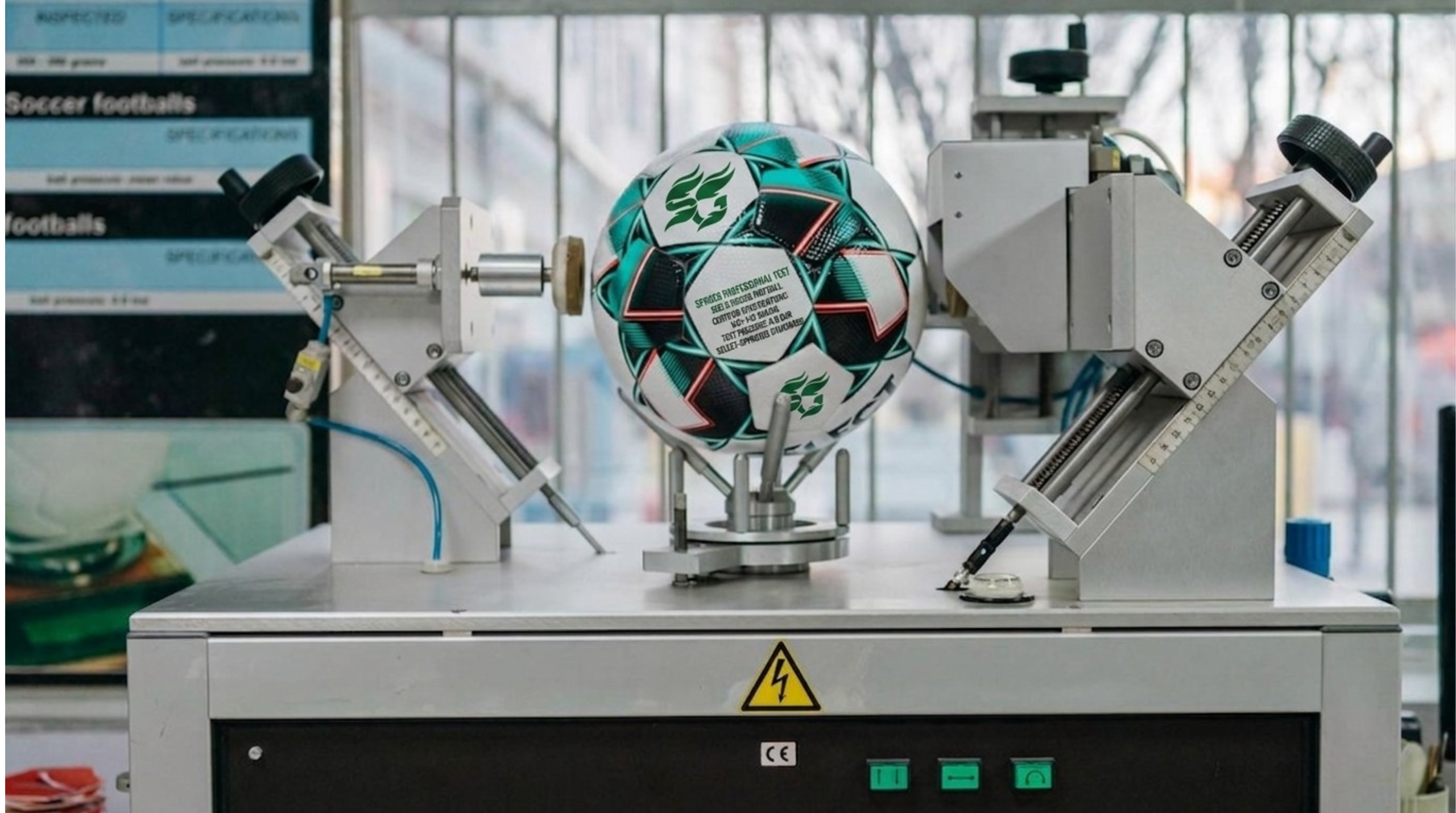
Why Vision Technologies Are Becoming Essential in Modern Sports Goods Production?
Vision Technologies are changing how modern sports goods are designed, inspected, customized and delivered. For manufacturers serving global brands, distributors, academies and retailers, visual inspection and data-driven quality control are no longer optional they are becoming part of the baseline expectation for consistent quality, faster production and reliable exports.
At SpoGen PVT LTD (sports-gen.com), Vision Technologies support a broader manufacturing approach focused on precision, customization, strict quality control, fast shipping coordination and worldwide delivery for OEM and private-label sports products.
What you’ll learn in this guide
- What Vision Technologies mean in sports manufacturing
- Why brands increasingly require vision-based quality control
- How machine vision improves gloves, balls, bags, sportswear and teamwear production
- How Vision Technologies support customization, private label and OEM workflows
- Why they help reduce defects, returns and production delays
- What global buyers should ask a manufacturer before placing bulk orders
Table of Contents
What Are Vision Technologies in Sports Goods Manufacturing?
In manufacturing, Vision Technologies generally refers to machine vision systems, camera-based inspection tools, image analysis software, AI-assisted defect detection, measurement systems and visual traceability workflows.
Instead of relying only on manual inspection, production teams use cameras and software to verify dimensions, stitching patterns, logo placement, panel alignment, surface defects, color consistency, print quality and packaging accuracy.
Common applications in sports goods production
| Product category | Vision-based checks |
|---|---|
| Goalkeeper gloves | Finger protection alignment, latex coverage, stitching consistency, logo placement |
| Soccer balls | Panel alignment, print registration, surface defects, color consistency |
| Sports bags | Seam quality, zipper alignment, branding accuracy, material defects |
| Sportswear and teamwear | Print positioning, seam accuracy, sizing labels, color variation checks |
| Packaging | Barcode verification, label accuracy, carton identification |
Why Vision Technologies Are Becoming Essential in Modern Sports Goods Production
Global Buyers Expect Consistent Quality
Brands selling in the UK, US, Europe, Middle East and other export markets face strict quality expectations. A single shipment with inconsistent stitching, misaligned logos or incorrect labels can create returns, marketplace complaints or compliance issues.
Vision-based inspection helps manufacturers detect many of these issues before goods leave the factory.
Production Volumes Have Increased
Bulk orders for private-label sports goods often involve thousands of units across multiple SKUs, colors, sizes, and branding variations. Manual inspection alone becomes difficult to scale.
Machine vision systems provide repeatable checks across large production runs, helping teams maintain consistency without slowing throughput.
Customization Requires Better Verification
OEM and private-label manufacturing increasingly involves custom logos, Pantone color matching, packaging variations, size sets, athlete or academy branding, and market-specific labeling.
Every customization step creates an opportunity for error. Vision-based verification helps confirm that the correct artwork, placement, labeling, and packaging are applied to the right batch.
Faster Shipping Depends on Fewer Reworks
Rework is one of the biggest causes of shipment delays. Detecting defects late in production can force sorting, repacking or remanufacturing.
By identifying issues earlier, Vision Technologies help reduce downstream disruptions and support more predictable production schedules, which is especially important when coordinating fast shipping and worldwide delivery.
How Vision Technologies Support OEM and Private Label Manufacturing at SpoGen
SpoGen’s manufacturing model combines skilled production teams with structured quality-control workflows. Vision Technologies fit into that process by supporting inspection, traceability and customization verification across multiple product categories.
| Manufacturing stage | Vision-related objective |
|---|---|
| Material intake | Check surface defects, color variation, print consistency |
| Cutting and panel preparation | Verify alignment and dimensions |
| Assembly and stitching | Identify seam inconsistencies or placement errors |
| Branding and decoration | Confirm logo location, print quality and artwork accuracy |
| Final inspection | Validate finished product appearance and packaging correctness |
| Export preparation | Support labeling, carton identification, and shipment accuracy |
For customers, the practical benefit is not “more technology” for its own sake. It is greater consistency across bulk orders, fewer preventable defects and smoother order fulfillment.
Vision Technologies and Product Customization
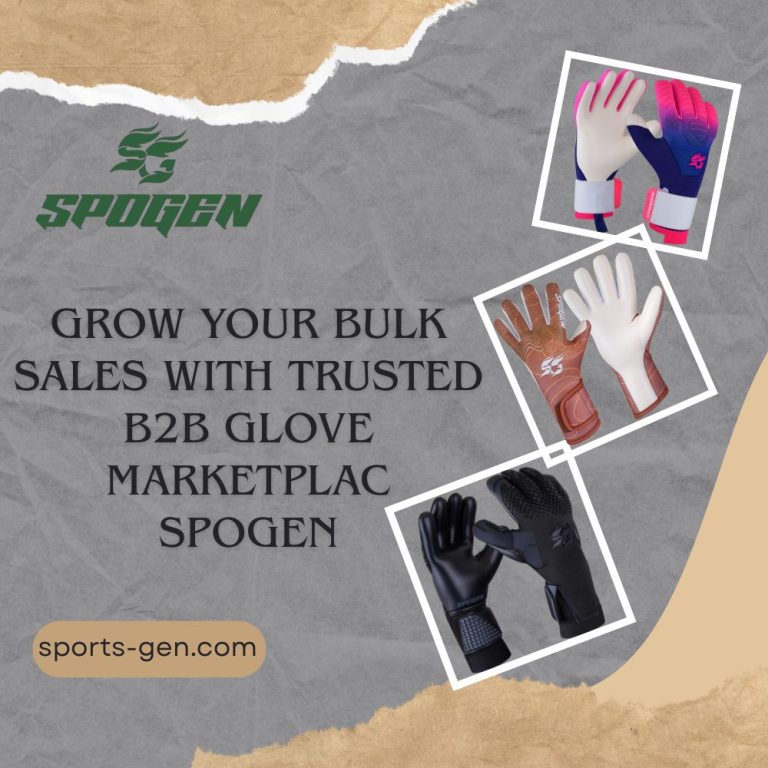
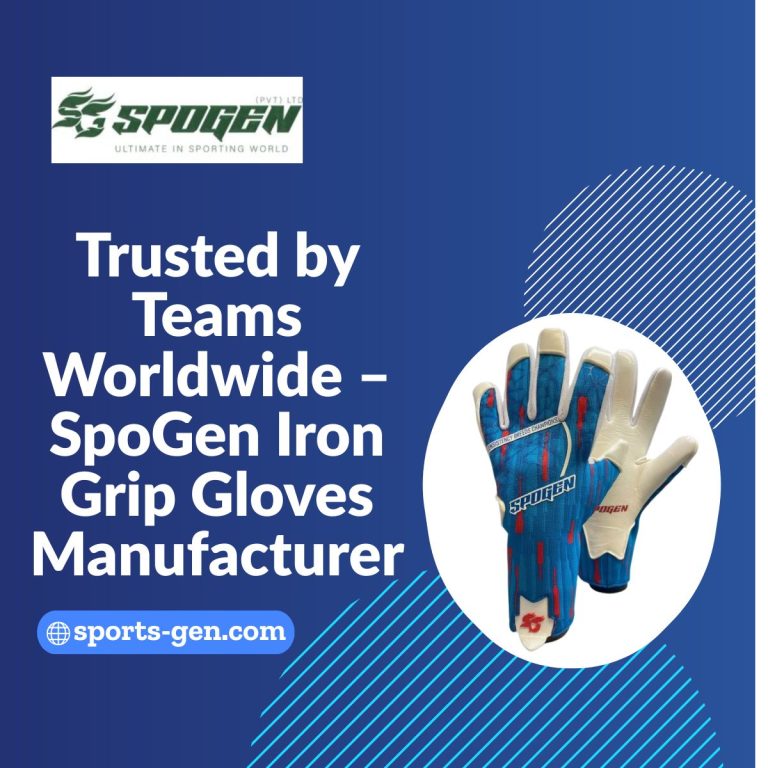
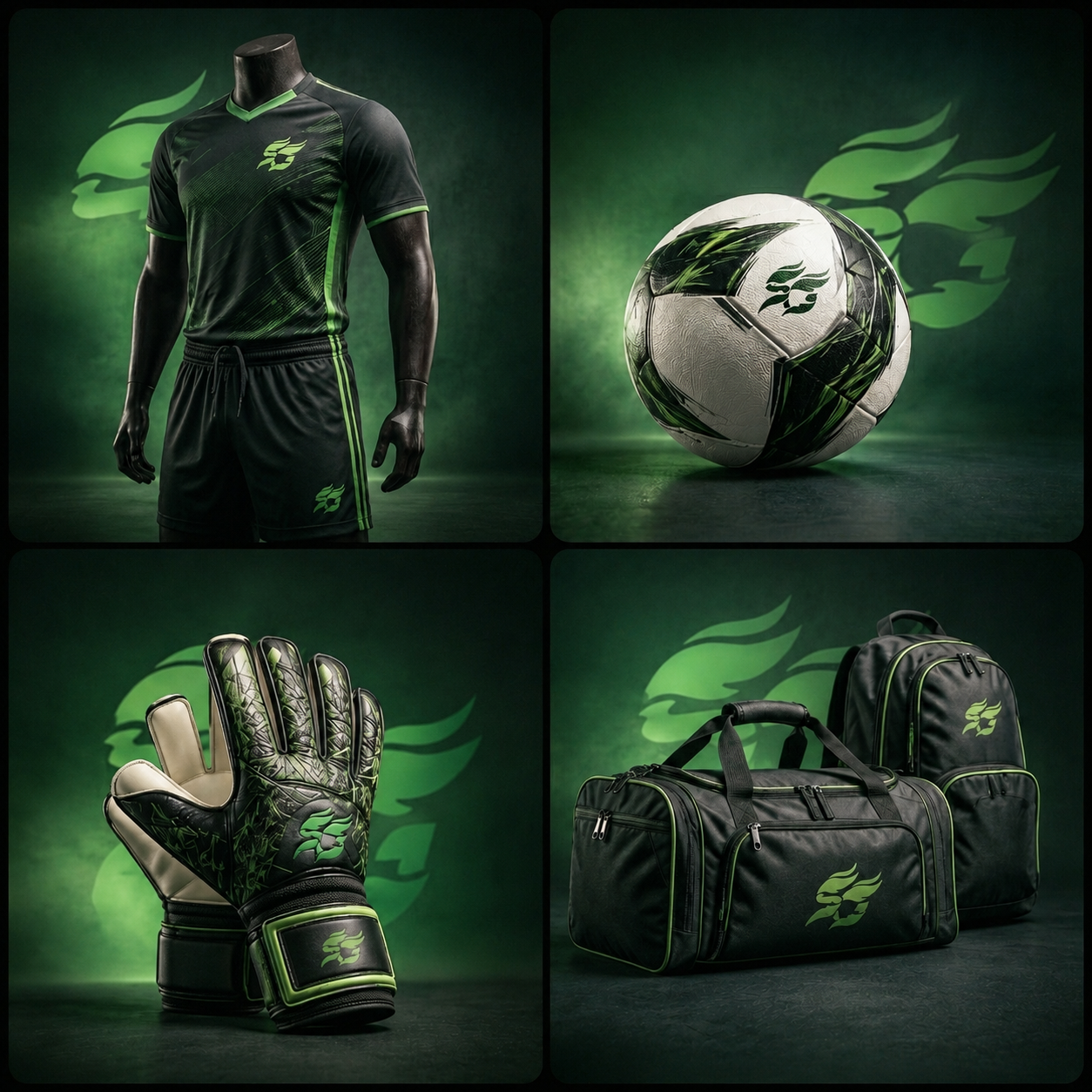
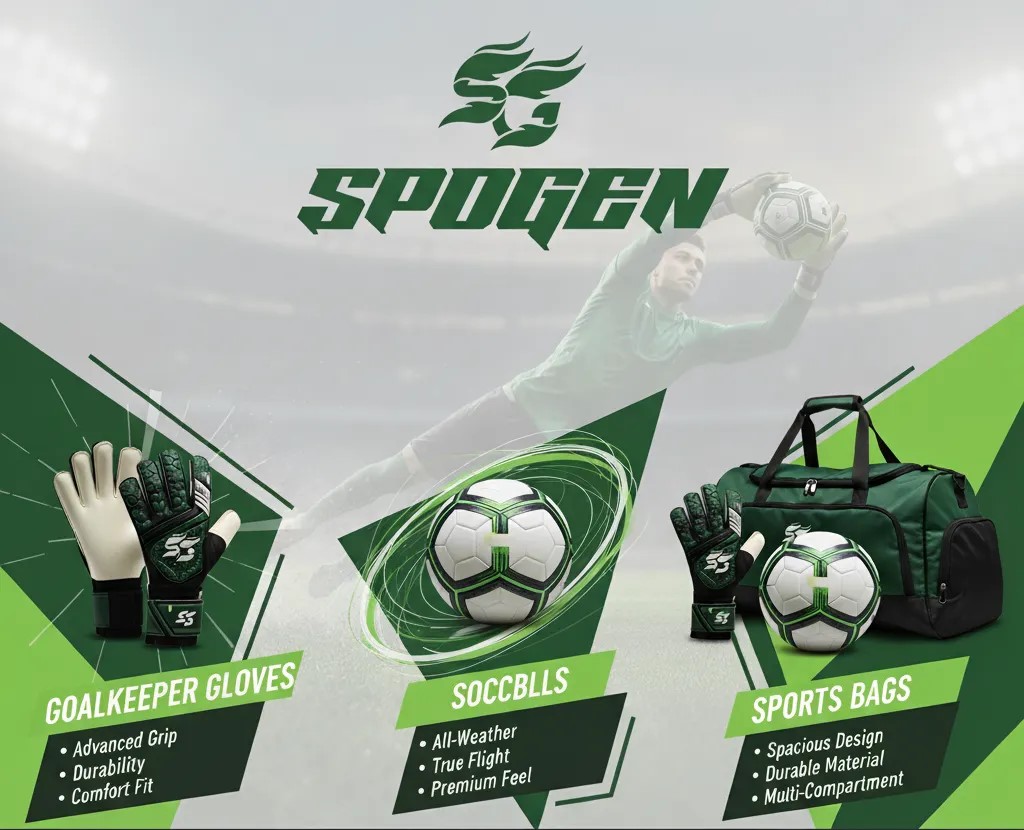
Customization is a major requirement for sports brands, clubs, academies and distributors. SpoGen supports OEM and private label production for products such as iron grip gloves, soccer goalkeeper gloves, knitted goalkeeper gloves, soccer balls, sportswear, sports bags and teamwear.
Typical customization requests include:
- Custom logos and branding
- Pantone-matched colors
- Player names and numbers
- Club or academy graphics
- Custom packaging and labels
- Market-specific size runs
- Retail-ready presentation requirements
Vision-based verification is particularly valuable here because it helps confirm that the correct artwork, color, placement and labeling are applied consistently across production batches.
Why this matters for private-label buyers?
A custom order with hundreds or thousands of units may contain multiple size, color or branding variants. Vision-assisted inspection helps reduce mix-ups between SKUs and supports more accurate packing and shipment preparation.
The Business Benefits: Quality, Cost and Brand Protection
Higher consistency
Repeatable visual checks help reduce variation between production batches.
Lower rework rates
Earlier defect detection means fewer products require correction later.
Fewer shipment issues
Better verification helps reduce labeling, packing and branding mistakes.
Faster order fulfillment
Less rework helps production stay on schedule for export shipments.
Improved export readiness
Consistent inspection supports worldwide delivery requirements.
Stronger brand protection
Accurate logo placement, packaging and presentation help maintain brand standards.
For wholesalers, distributors and retailers, these improvements often matter more than the technology itself because they affect returns, customer satisfaction and operational reliability.
Vision Technologies and Fast Shipping
Buyers frequently ask how manufacturers can support fast shipping without sacrificing quality. The answer is usually not “ship faster”, it is reducing the causes of delay.
Common shipment delays in sports manufacturing include:
- Late-stage defect discovery
- Incorrect logos or labels
- Mixed cartons or SKU errors
- Repacking requirements
- Incomplete quality checks
Vision-assisted inspection helps catch many of these issues earlier, which supports smoother production flow and more predictable export scheduling. At SpoGen, quality control is integrated with manufacturing and shipment preparation rather than treated as a final isolated step.
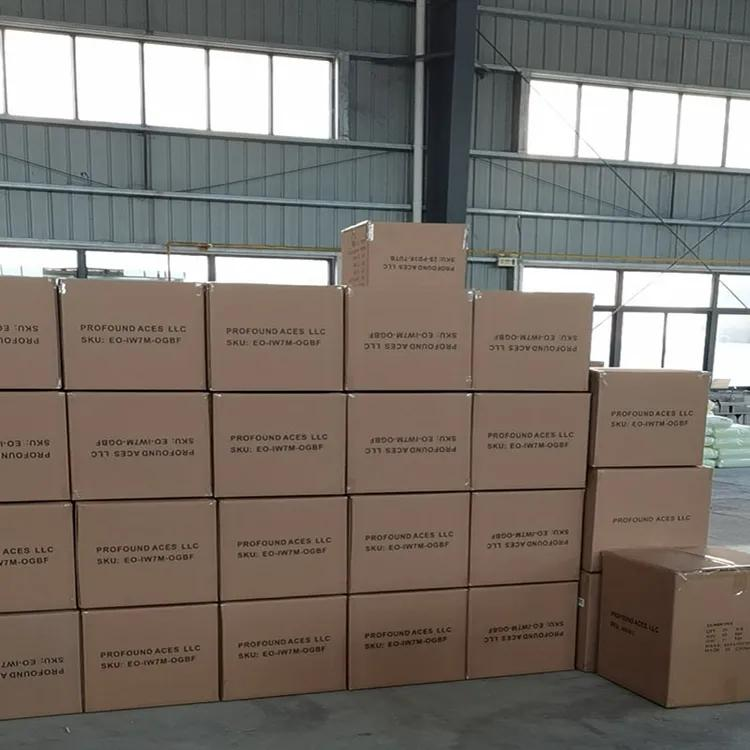
Worldwide Delivery: What International Buyers Should Look For
When sourcing sports goods globally, buyers should evaluate more than product samples. Ask whether the manufacturer can support:
- Consistent quality across repeat orders
- OEM and private-label customization workflows
- Export documentation and labeling requirements
- Carton-level accuracy and traceability
- Scalable production capacity
- Reliable shipment coordination and worldwide delivery support
Vision Technologies are not a guarantee of good manufacturing, but they are often a strong indicator that the factory is investing in process control, inspection capability and repeatability.
The Role of Skilled Craftsmanship Still Matters
A common misconception is that machine vision replaces human expertise. In sports goods manufacturing, especially for gloves, stitched balls and sewn products, craftsmanship remains critical.
The strongest operations combine:
- Skilled technicians and sewing operators
- Clear production standards
- Structured quality-control procedures
- Vision-assisted inspection and verification tools
- Traceability and documentation workflows
Technology helps detect and standardize; experienced production teams still make the product.
Why This Matters for Sports Brands in 2026 and Beyond?
Search behavior is shifting toward AI assistants, comparison engines and conversational search. Buyers increasingly ask questions such as:
“How does a sports manufacturer ensure consistent quality across bulk orders?”
“Can a supplier verify custom logos and packaging before shipment?”
“What quality-control systems reduce defects in OEM sports production?”
A manufacturer that can clearly explain its inspection, customization and fulfillment processes is better positioned for both traditional SEO and AI-driven discovery. That is why content around Vision Technologies, machine vision inspection, sports manufacturing quality control, OEM sports production, private-label verification and export-ready quality assurance has become increasingly relevant in semantic search.
Frequently Asked Questions
They include camera-based inspection systems, image analysis software, AI-assisted defect detection, measurement tools and visual traceability workflows used to verify product quality and production accuracy.
They provide repeatable visual checks for stitching, alignment, branding, color consistency, dimensions, packaging, and labeling, helping detect defects earlier in the production process.
No. They are most effective when combined with skilled production teams and structured quality-control procedures. Technology supports detection and consistency; craftsmanship remains essential.
Yes. They are useful for verifying logo placement, print quality, packaging accuracy, labeling, color consistency, and SKU differentiation across custom production batches.
By reducing rework, labeling mistakes, packing errors, and late-stage defect discovery, manufacturers can maintain smoother production flow and more predictable export schedules.
SpoGen offers OEM and private-label manufacturing for goalkeeper gloves, iron grip gloves, soccer balls, sportswear, sports bags and teamwear, with customization and worldwide delivery support.
Conclusion
Vision Technologies are becoming essential in modern sports goods production because they help manufacturers scale quality, verify customization, reduce preventable defects and support reliable worldwide fulfillment. For B2B buyers, the real value is practical: more consistent products, fewer shipment surprises, stronger brand protection and smoother repeat orders.
At SpoGen PVT LTD, Vision Technologies complement skilled craftsmanship, structured quality control, OEM customization capabilities, fast shipping coordination and worldwide delivery support-helping global sports brands, distributors, academies, clubs and retailers source sports products with greater confidence.
Ready to grow your sports brand? Contact Us today for custom sports products, OEM manufacturing, fast shipping and worldwide delivery tailored to your needs.